How Birds Work, Workman Publishing
Engineered by evolution to thrive in the wild
A tiny textbook to learn on your own
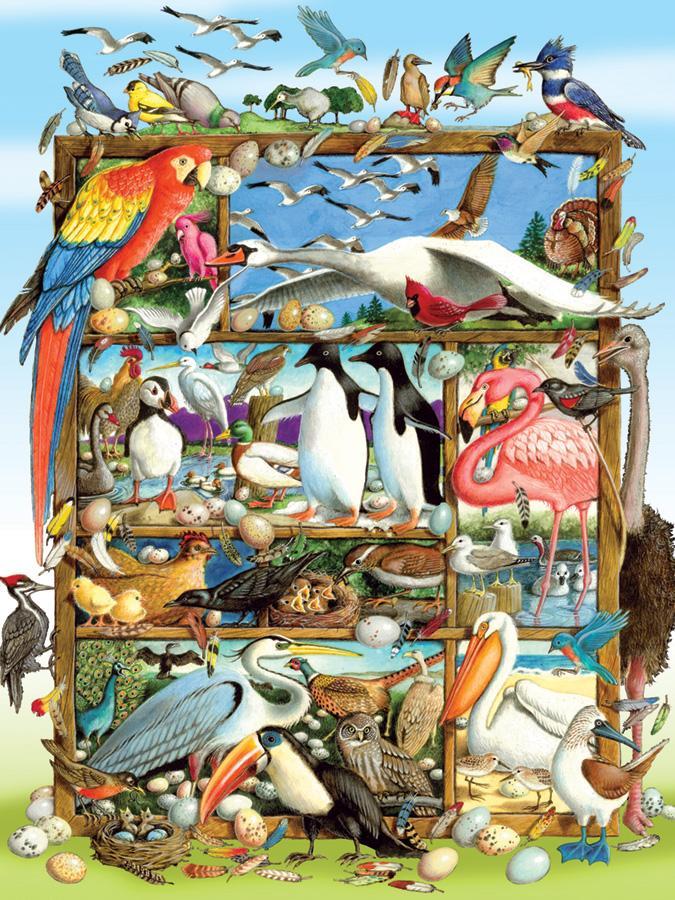
How Birds Work goes beyond the typical field guide to show us not only what birds look like but why. Why do many owls have asymmetrical ear openings? (Hint: It helps them pinpoint prey; see page 40.) And why does the Grey Heron rest on one leg at a time? (Hint: Not because it’s tired; see page 66!) Birds boast a spectacular array of adaptations suited to their incredibly diverse diets and habitats. In this in-depth handbook, discover the ways they’re even more astounding than you know—inside and out. Detailed analysis and illustrations illuminate:
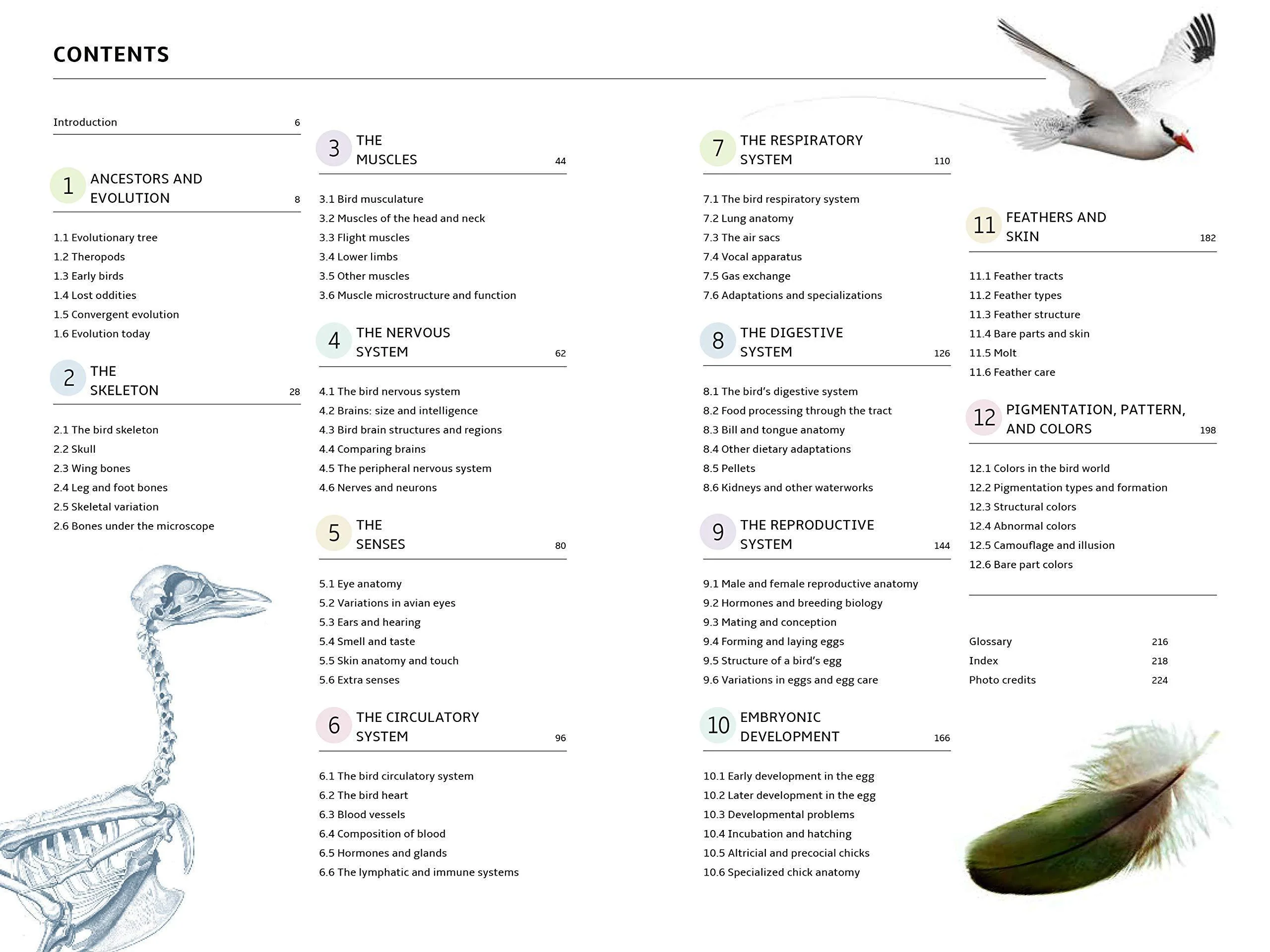
- Skeleton
- Muscles
- Circulation
- Digestion
- Respiration
- Reproduction
- Feathers
- Colors and Patterns
- And much, much more!
Review
About the Author
Product Information
Product Information
Shipping & Returns
Shipping & Returns


How Birds Work, Workman Publishing
How Birds Work, Workman Publishing
Engineered by evolution to thrive in the wild
A tiny textbook to learn on your own
How Birds Work goes beyond the typical field guide to show us not only what birds look like but why. Why do many owls have asymmetrical ear openings? (Hint: It helps them pinpoint prey; see page 40.) And why does the Grey Heron rest on one leg at a time? (Hint: Not because it’s tired; see page 66!) Birds boast a spectacular array of adaptations suited to their incredibly diverse diets and habitats. In this in-depth handbook, discover the ways they’re even more astounding than you know—inside and out. Detailed analysis and illustrations illuminate:
- Skeleton
- Muscles
- Circulation
- Digestion
- Respiration
- Reproduction
- Feathers
- Colors and Patterns
- And much, much more!
Review
About the Author
Product Information
Product Information
Shipping & Returns
Shipping & Returns
Description
Engineered by evolution to thrive in the wild
A tiny textbook to learn on your own
How Birds Work goes beyond the typical field guide to show us not only what birds look like but why. Why do many owls have asymmetrical ear openings? (Hint: It helps them pinpoint prey; see page 40.) And why does the Grey Heron rest on one leg at a time? (Hint: Not because it’s tired; see page 66!) Birds boast a spectacular array of adaptations suited to their incredibly diverse diets and habitats. In this in-depth handbook, discover the ways they’re even more astounding than you know—inside and out. Detailed analysis and illustrations illuminate:
- Skeleton
- Muscles
- Circulation
- Digestion
- Respiration
- Reproduction
- Feathers
- Colors and Patterns
- And much, much more!